Maghras: A Farm for Experimentation
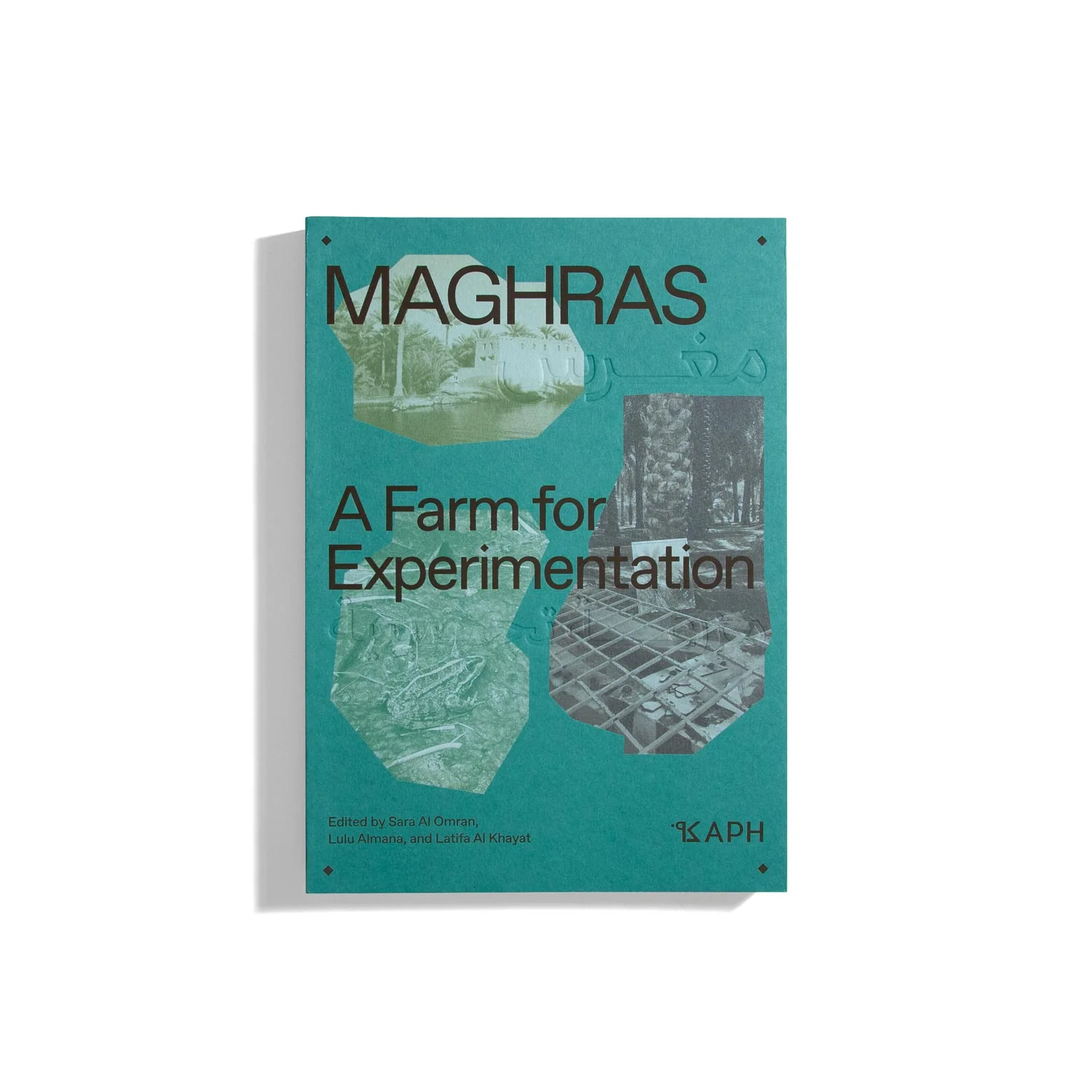
Centered on the Al Ahsa region, one of the world's oldest and largest oases, Maghras: A Farm for Experimentation (accompanying the inaugural Saudi Pavilion at the 24th Triennale di Milano) reimagines the farm as a site of collective inquiry, where environmental change, cultural memory, and community practices converge. The publication documents research, fieldwork, and newly commissioned projects by architects, artists, and practitioners who engaged with farmers, craftspeople, and residents of Al Ahsa. Through essays, images, oral histories, and archival material, it reflects on the shifting relationship between land, water, and community in a landscape transformed by modernisation and urban expansion.
Original: $54.53
-65%$54.53
$19.09Maghras: A Farm for Experimentation
Centered on the Al Ahsa region, one of the world's oldest and largest oases, Maghras: A Farm for Experimentation (accompanying the inaugural Saudi Pavilion at the 24th Triennale di Milano) reimagines the farm as a site of collective inquiry, where environmental change, cultural memory, and community practices converge. The publication documents research, fieldwork, and newly commissioned projects by architects, artists, and practitioners who engaged with farmers, craftspeople, and residents of Al Ahsa. Through essays, images, oral histories, and archival material, it reflects on the shifting relationship between land, water, and community in a landscape transformed by modernisation and urban expansion.
Produktinformationen
Produktinformationen
Versand & Rückgabe
Versand & Rückgabe
Description
Centered on the Al Ahsa region, one of the world's oldest and largest oases, Maghras: A Farm for Experimentation (accompanying the inaugural Saudi Pavilion at the 24th Triennale di Milano) reimagines the farm as a site of collective inquiry, where environmental change, cultural memory, and community practices converge. The publication documents research, fieldwork, and newly commissioned projects by architects, artists, and practitioners who engaged with farmers, craftspeople, and residents of Al Ahsa. Through essays, images, oral histories, and archival material, it reflects on the shifting relationship between land, water, and community in a landscape transformed by modernisation and urban expansion.